


Economic & Social Impact
Beyond climate and biodiversity, we are building a future-defining biofuel industry in the Paraguayan Chaco. Driving jobs, education, and long-term economic growth across the Global South.
Our regenerative agroforestry model is reshaping the economic and social landscape of Paraguay’s Chaco. By scaling native reforestation alongside regenerative agriculture, we demonstrate that ecosystem restoration can be both commercially viable and socially transformative.
Code of Conduct for Responsible Agriculture.
The economic and social impact of volume reforestation activities will be considerable for the Paraguayan Chaco region.
The World Bank’s Code of Conduct for Responsible Agro-Investment
Respecting local land rights:
We respect the rights of local landowners and, through its long-term leasing model, provide financial security to the landowners who are still able to continue pre-existing cattle activity on the reforested land.
Ensuring transparency and good governance:
We ensure that all processes relating to investment in our reforestation models are transparent, monitored, and ensure accountability by all stakeholders, within a proper business, legal, and regulatory environment.
Consultations with all stakeholders:
Responsible agro-investing:
We focus on the regeneration of low quality agricultural assets with projects that avoid monoculture and promote biodiversity recovery.
Social sustainability:
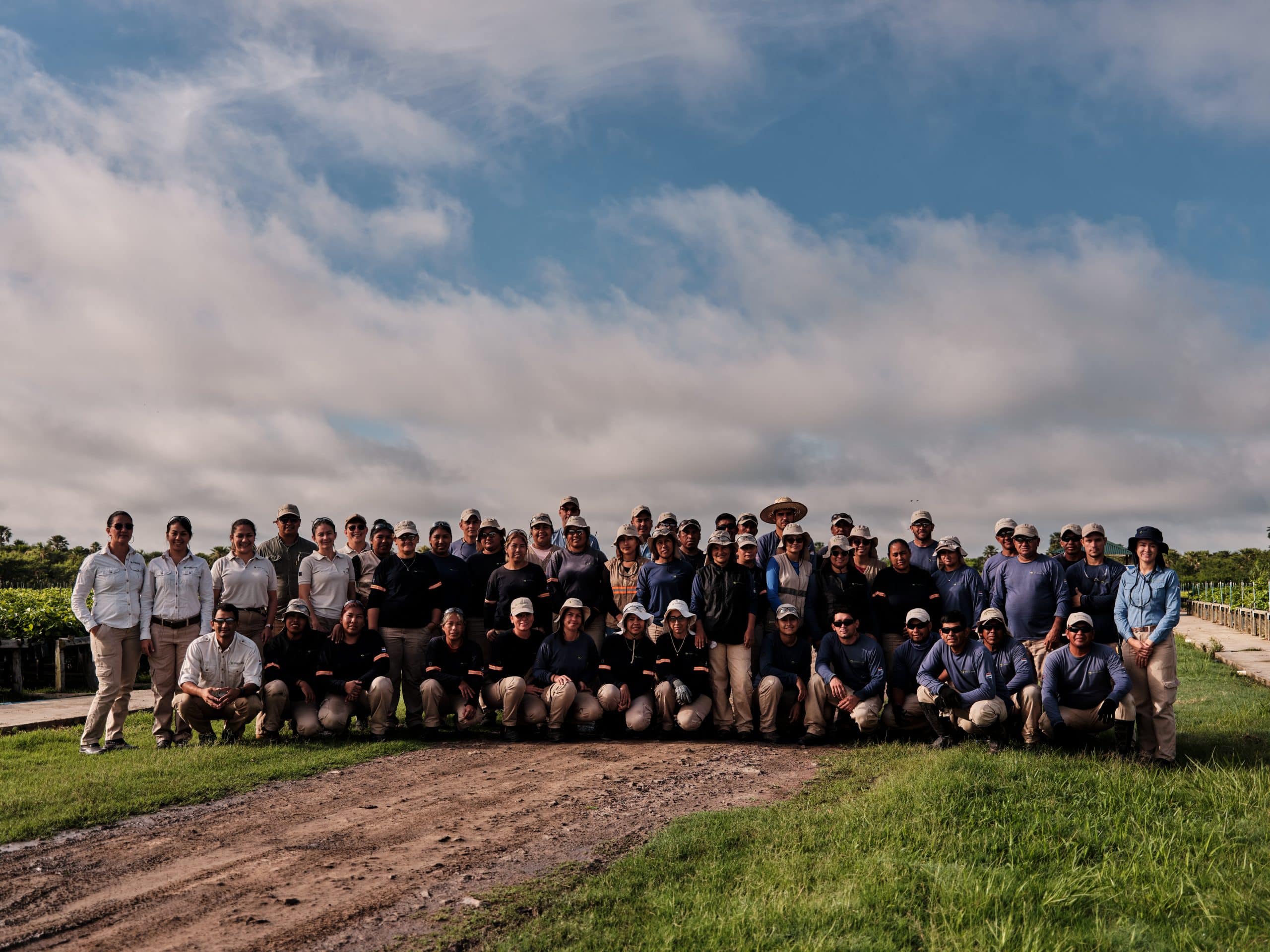
Our projects have generated over 400 formal jobs, and we support our employees and the wider community with social security access and bank accounts – embedding lasting social development throughout the region.
Environmental sustainability:
Investancia’s programs deploy reforestation systems focused on long term sustainability outcomes.
We estimate the following impacts per 100,000 hectare of Pongamia plantings:
Economic
- Creation of an estimated 400+ jobs
- Workforce creation for the land preparation and planting of 50 million trees
- Workforce for the harvesting and crushing of more than 2 million tons of pods per year
- Animal feed (protein) production from seed cake meal and export of 480,000 metric tons per year
- Crude vegetable oil production and export of 300,000 metric tons each year
- Creation of tree nurseries operations
- Infrastructure maintenance
Social
- Full implication and involvement of local Chaco population including indigenous communities
- Employees’ housing programs
- School aid programs
- Medical support programs
- Technology & know-how transfer
- Training of local workforce
- Best practices transfer
