


LCAW occupies a particular position in the global climate calendar. It sits between COPs, a space where commitments made in formal negotiations get tested against investment reality, where frameworks are stress-tested by practitioners, and where the conversations that shape capital flows tend to happen quietly, in rooms away from the main stage. That is precisely why we are here.
Why London, why now
This year’s edition takes place against a backdrop of continued geopolitical fragmentation and economic uncertainty , conditions that make credible, project-level climate action more important, not less. At the same time, the voluntary carbon market is maturing. The SBTi released its Corporate Net-Zero Standard V2.0 just days before LCAW opened, and the conversations this week reflect a market in transition: from ambition-setting to implementation, from pledges to verified delivery.
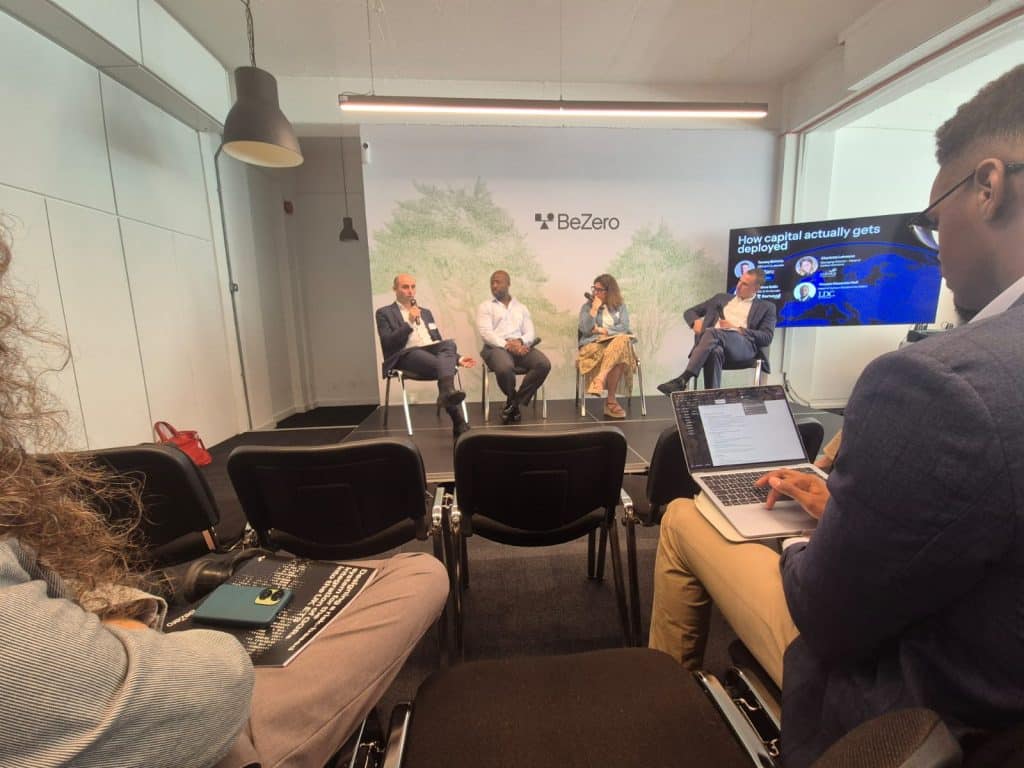
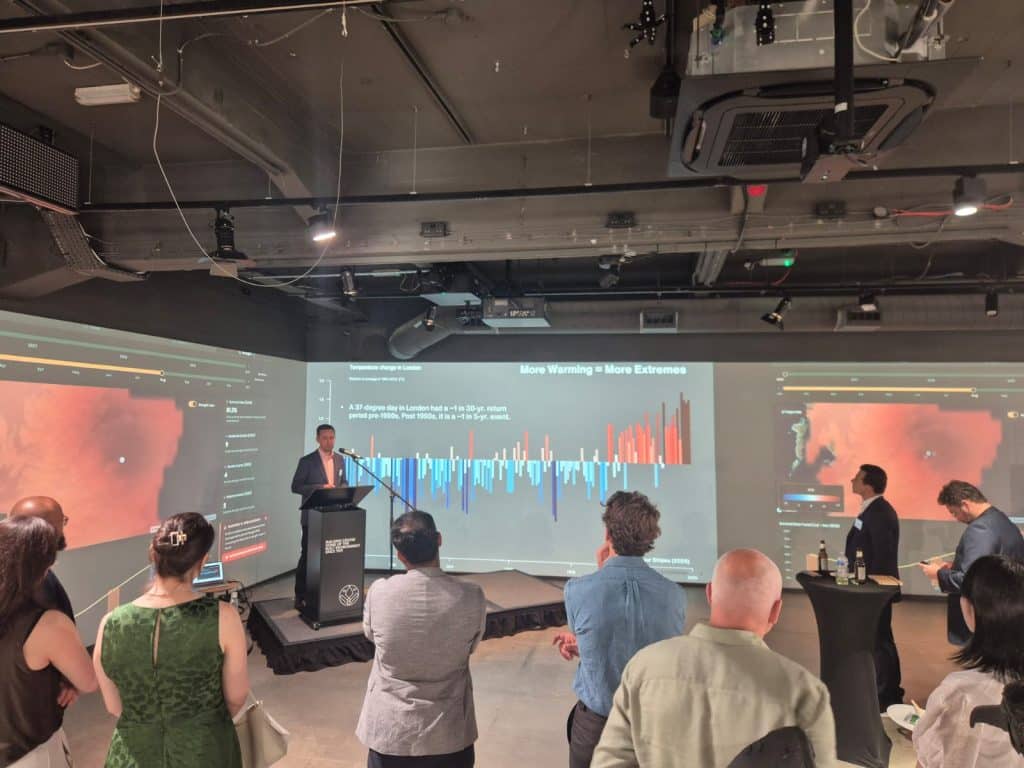
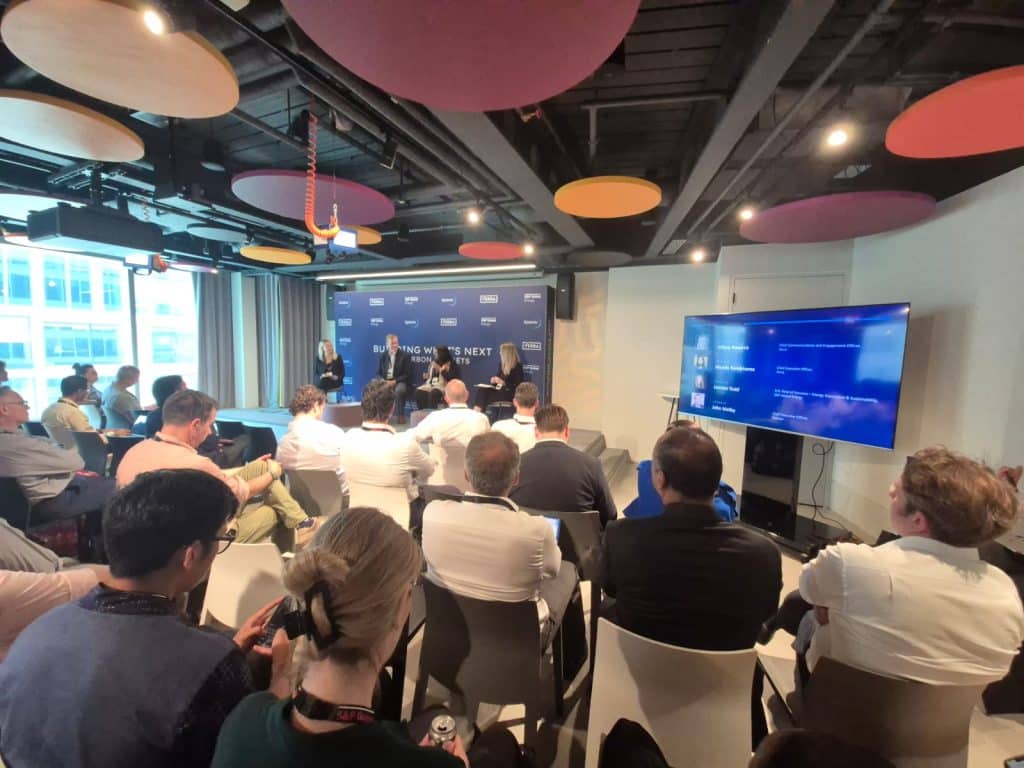
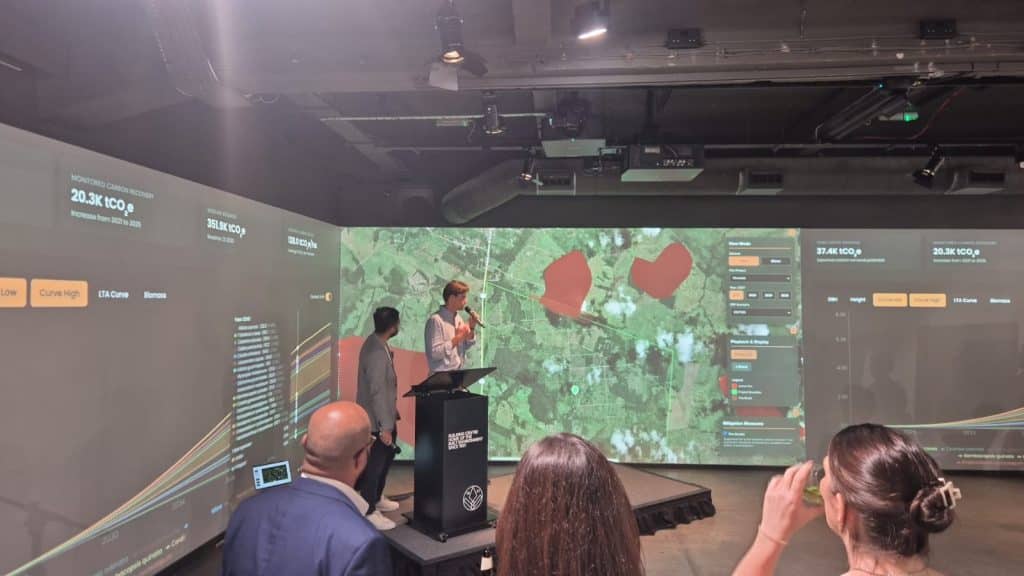
Now in its eighth year, LCAW brings together nearly 50,000 participants across more than 700 events, spanning finance, nature, energy, and resilience. The nature finance track is particularly active this year, with institutional capital increasingly asking the questions that project developers like us need to be prepared to answer: What does permanence look like in practice? How is additionality verified? What does alignment with national climate commitments actually mean?
What we are here to discuss
Investancia operates at the intersection of native reforestation, regenerative agroforestry, and verified carbon markets in the Gran Chaco, one of South America’s most ecologically significant and threatened landscapes. Our projects generate ARR carbon units verified under VERRA methodology, and our work is grounded in the premise that land restoration at scale requires both rigorous science and viable commercial structures.
At LCAW, our conversations centre on that commercial architecture: how high-integrity nature-based removals fit into the evolving corporate net-zero landscape, how buyers are interpreting new SBTi guidance on land-sector targets, and where institutional appetite for South American reforestation actually sits in 2026.
These are not abstract discussions. The frameworks defining what counts as credible corporate climate action are being finalised in real time, and the projects that will be relevant to corporate buyers over the next decade need to be legible within those frameworks now.
A market in motion
From 2024 to 2025, LCAW doubled in size to over 700 events, a signal that despite political headwinds in some markets, the private sector and subnational actors are accelerating. The nature finance conversations we are part of this week reflect that momentum: scaling institutional capital into natural capital is no longer a niche aspiration. It is increasingly a fiduciary question.
For a project developer working in Paraguay’s Chaco, that shift matters. It means the buyers, investors, and standards bodies we need to engage are all in the same city, this week, asking the same questions we are.
